About Pickleball T Shirt Design Graphic Review
As a designer who has spent years translating digital files into tangible thread, I approach every new asset with a mix of excitement and skepticism. When I first opened the file for About Pickleball T Shirt Design Graphic, my immediate goal was to determine if this visual could survive the transition from a screen to a needle. The description highlights this as a best-selling printable sublimation design suitable for mugs and t-shirts, but my world revolves around the texture of fabric and the tension of thread. While the product is marketed primarily as a sublimation graphic, its bold lines and thematic clarity make it a compelling candidate for adaptation into a machine embroidery design or an applique project for custom apparel.
First Impressions: Visual Weight and Theme
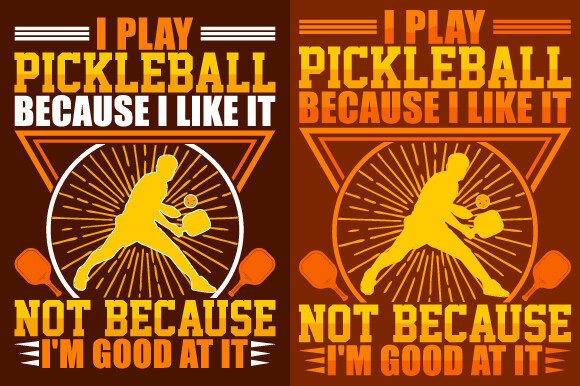
The mood created by About Pickleball T Shirt Design Graphic is energetic and community-focused. Pickleball has exploded in popularity, and the demand for gear that signals belonging to this sport is high. Visually, the layout feels balanced, avoiding the clutter that often plagues sports-themed graphics. For an embroidery project, the shapes appear distinct enough to hold their form without becoming a muddy mess of fill stitch. However, because the source material is described as a "Printable Sublimation Design," I immediately noted that the fine details intended for ink transfer might need simplification for stitching. In the realm of T-Shirt Designs, a clean silhouette is king, and this graphic leans heavily into that aesthetic, making it a strong contender for sweatshirt embroidery or tote bag designs where visibility is key.
Testing the Waters: A Real-World Scenario
To truly evaluate this asset, I imagined a specific scenario: preparing a custom embroidered tote bag for a local pickleball club fundraiser. The club wants something durable that players can carry their paddles and balls in, featuring a design that pops against a sturdy canvas background. If I were to convert About Pickleball T Shirt Design Graphic into an embroidery file, the first step would be digitizing the main elements using satin stitch for the outlines and fill stitch for the larger areas. The challenge here lies in the density. Sublimation prints can handle gradients and complex shading, but embroidery relies on physical thread stacking. On a heavy-duty tote bag, the design would likely look fantastic, offering a professional finish that elevates the perceived value of the handmade product.
Conversely, imagine trying to use this same design on a thin, stretchy baby onesie. Here, the risk increases significantly. The structural integrity of the fabric must support the weight of the thread. If the original graphic contains tiny lettering or intricate curves, those details will likely collapse under the pressure of the hoop or get lost in the fabric's weave. This is why understanding the limitations of your medium is crucial. While the graphic is versatile for digital printing, its translation to a baby embroidery project requires careful editing to ensure safety and comfort.
Navigating Fabric and Hoop Constraints
When working with About Pickleball T Shirt Design Graphic, you must be mindful of the substrate. Textured fabrics like fleece or heavy cotton twill can hide minor imperfections, making them forgiving for dense stitch areas. However, on smooth, dark fabrics, the contrast becomes critical. If the design relies on light thread colors against a black shirt, the stitch density must be high enough to prevent the dark fabric from showing through. Similarly, curved surfaces like caps present a unique challenge. The flat nature of a sublimation print does not account for the dome of a hat; converting this graphic for cap embroidery requires adjusting the curve of the elements so they sit naturally on the brim or front panel.
Small hoop sizes are another area requiring caution. If you are creating a small shop product like a keychain or a patch, the design may need to be scaled down aggressively. This scaling process can cause running stitches to merge and details to vanish. Always test the design on scrap fabric first. Check whether the stabilizer holds up during the stitching process and inspect the back of the work to ensure there is no excessive pulling or puckering. These practical checks are what separate a hobbyist attempt from a commercial embroidery project that customers will trust.
Commercial Viability and Brand Consistency
For Etsy sellers and craft business owners, consistency is the backbone of brand identity. About Pickleball T Shirt Design Graphic offers a recognizable theme that can anchor a collection of holiday gifts or personalized items. Whether you are selling finished products or digital embroidery files, the visual appeal directly impacts buyer engagement. A well-executed embroidered patch featuring this design adds a tactile quality that a printed sticker cannot match. It signals effort and craftsmanship, which justifies a higher price point for your handmade goods.
However, before listing these items, you must confirm licensing. The product description mentions it is a best-selling design for creating products, but it does not explicitly state the terms for reselling finished embroidered goods or distributing the digitized file itself. As a professional, I always advise checking the license agreement thoroughly. You want to avoid legal headaches that could shut down your boutique or force you to remove listings from your shop. If the license allows for commercial use, this graphic becomes a powerful asset for expanding your catalog of custom apparel and personalized gifts.
Practical Designer Notes for Success
To get the most out of this design, consider the following steps:
- Test on Scrap Fabric: Never skip this step. Run a test on the exact fabric you plan to use to check thread color contrast and stitch definition.
- Review Stitch Density: Ensure the fill stitch isn't too tight, which can cause puckering, or too loose, which leaves gaps.
- Confirm Hoop Size: Make sure the design fits within your machine's maximum stitching area without needing to re-hoop mid-project, which can lead to misalignment.
- Inspect Small Details: Simplify any tiny text or intricate corners that might get lost in the stitching process.
- Use Proper Stabilizer: Choose a stabilizer that matches the weight and stretch of your fabric to maintain the shape of the design.
- Compare Backgrounds: Test the design on both light and dark fabric backgrounds to see how the thread colors perform in different contexts.
In conclusion, About Pickleball T Shirt Design Graphic holds significant potential for the creative entrepreneur willing to adapt it correctly. While it shines as a sublimation graphic, its bold nature makes it adaptable for embroidery when handled with care. By respecting the mechanics of the machine and the properties of the fabric, you can transform this digital asset into a high-quality finished product that resonates with the pickleball community. Whether for a holiday gift, a small shop merchandise line, or a personal project, the key lies in thoughtful execution and attention to detail.