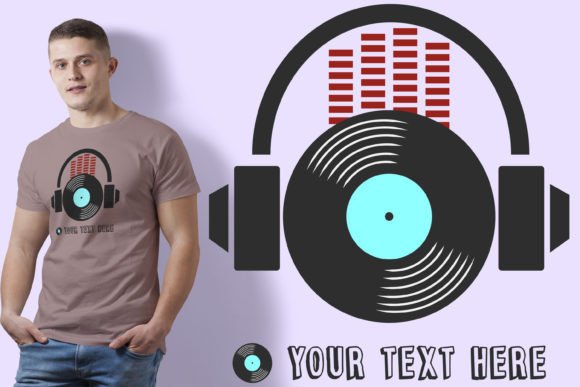
Music Lover T-shirt Design: A Real-World Review
As a designer who has spent years translating digital files into tangible thread, I approach every new asset with a critical eye. When I first opened the Music Lover T-shirt Design, my initial reaction was one of nostalgia. This is clearly a vintage-inspired piece, and that aesthetic carries a specific weight in the world of custom apparel. It isn't just a graphic; it is a mood. For anyone running a craft business or looking to create a personalized gift, understanding how this design translates from screen to stitch is crucial before you commit your machine time.
The Vintage Vibe and Visual Personality
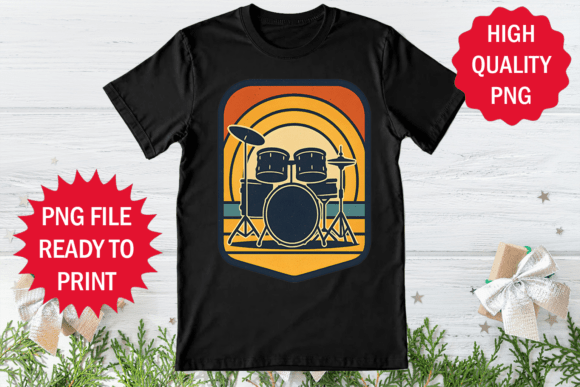
The layout of the Music Lover T-shirt Design immediately suggests a retro feel, likely drawing on classic rock or folk aesthetics. In the realm of T-Shirt Designs, vintage graphics have a timeless appeal because they age well. Unlike hyper-realistic images that can look dated quickly, this style relies on bold shapes and stylized elements. However, when moving from a digital image to an embroidery file, the challenge lies in maintaining that character without losing clarity.
I visualized this design on a heavy cotton sweatshirt for a local band's merchandise line. The organic lines and potential for distressed textures in the original art need to be carefully interpreted by the digitizer. If the stitch density is too high, the vintage softness disappears, replaced by a stiff, plastic-like patch. Conversely, if the density is too low, the details might vanish on textured fabrics. The key here is balance. The design needs enough definition to be recognizable as a music-themed icon but enough "breathing room" to keep that handmade, artisanal charm.
Testing the Design in Real Projects
To truly evaluate the Music Lover T-shirt Design, I mentally walked through a few real-world scenarios. Imagine preparing a custom embroidered tote bag for a craft fair. Tote bags are often made of canvas, which has a distinct weave. A design like this, with its likely mix of outlines and fills, would sit beautifully on a natural-colored canvas. The contrast between the dark thread colors and the light fabric would make the musical motifs pop, creating a statement piece that stands out in a crowded booth.
Consider also the application on baby items. While the theme is music, the execution matters. If the design includes tiny lettering or intricate instrument details, those might get lost on a small onesie. However, scaled down slightly and placed on a nursery pillow cover, it could serve as a whimsical accent. The versatility of this Graphics type allows it to move beyond just shirts. I can see it working well as an embroidered patch sewn onto a denim jacket or even as a focal point on a kitchen apron for a musician hostess.
For the Etsy seller or small shop owner, the value proposition is clear. Customers love unique, story-driven products. A hoodie featuring this design isn't just clothing; it's an identity marker. The vintage style appeals to collectors and enthusiasts who appreciate the history of music. When creating a printable mockup to showcase this item online, ensure the lighting highlights the texture of the thread. Showing the depth of the fill stitch and the sheen of the satin stitch borders helps buyers understand the quality they are purchasing.
Navigating Fabric and Hoop Challenges
Despite its potential, the Music Lover T-shirt Design requires careful handling in certain situations. One area of concern is thin or stretchy fabric. If you attempt to embroider this on a lightweight jersey tee without the proper stabilizer, the fabric may pucker around the denser areas of the design. Always test the design on scrap fabric first. Check how the hoop tension affects the shape of the musical notes or instruments. If the fabric stretches during stitching, the final result will look distorted rather than stylish.
Curved surfaces present another hurdle. Placing this design on a cap brim requires significant adjustment. The vintage style often relies on straight lines and balanced symmetry, which can warp on a curved surface. You may need to split the design or use a specialized cap hoop to maintain the integrity of the image. Similarly, layered garments like hoodies with thick collars can cause issues if the design is positioned near seams. The needle might hit the seam allowance, leading to broken threads or skipped stitches.
Dark fabrics are also a consideration. If the original design relies on light shading or subtle gradients, these details will disappear on a black t-shirt unless you use underlay techniques or a white backing layer. Always compare the design against both light and dark fabric backgrounds before committing to a large production run. The thread colors must be chosen to ensure high contrast and visibility, preserving the visual impact of the finished product.
Practical Notes for Professional Results
Before you start stitching, there are several practical steps to ensure success. First, review the stitch count. While not specified in the basic description, a complex vintage design usually demands a higher stitch count to capture the detail. Ensure your machine can handle the volume without overheating. Second, inspect the small details. Are the strings of a guitar or the keys of a piano defined enough? If they are too fine, they may break during washing or wear over time. Simplifying these areas might be necessary for durability.
Check the licensing terms carefully. The product description mentions modifying text, but it does not explicitly state the commercial rights for selling finished goods. As a professional, I advise confirming whether you can sell items created with this machine embroidery design. Many designers allow personal use but restrict commercial sales without a separate license. Selling a handmade product with an unlicensed design can lead to legal issues and damage your brand reputation.
Finally, consider the overall presentation. Does the design align with your brand consistency? If your shop specializes in modern, minimalist decor, a vintage music design might feel out of place unless curated correctly. However, for a boutique focusing on retro fashion or personalized gifts for musicians, it fits perfectly. Use proper stabilizers to prevent shifting, especially on items that will be washed frequently, like towels or aprons. The longevity of the embroidery project depends heavily on these foundational choices.
Final Verdict on Commercial Viability
In conclusion, the Music Lover T-shirt Design offers a strong foundation for creative entrepreneurs and hobbyists alike. Its vintage aesthetic provides a nostalgic hook that resonates with many customers, making it ideal for custom apparel, holiday gifts, and boutique merchandise. However, its success hinges on your ability to adapt it to different materials and sizes. By testing thoroughly, choosing the right stabilizers, and respecting the design's limitations, you can transform this digital asset into a high-quality, marketable product. Whether you are decorating a single sweatshirt for a friend or launching a new line of commercial embroidery items, this design has the potential to add significant value to your portfolio if executed with care and attention to detail.